Understanding Woodworm and Its Impact on Timber
Woodworms are a bane to timber, posing significant threats to wooden structures and furniture, often causing irreparable damage. They are the larvae of various species of beetles that tunnel through wood, weakening its integrity. In a world where quality and longevity of wood products matter massively, understanding these pests is crucial. When exploring options for wood treatment, Shashel offers a comprehensive approach to eliminate woodworms efficiently and effectively.
What are Woodworms?
Woodworms are not a single type of insect; rather, they refer to the larvae of woodboring beetles. These beetles lay eggs in wood, and once the eggs hatch, the larvae burrow into the wood, consuming it as they grow. Over time, their activity can lead to significant structural damage, making it vital for homeowners and woodworkers to recognize and eliminate these pests as soon as possible.
Common Types of Woodworms?
- Common Furniture Beetle (Anobium punctatum): This is the most prevalent woodworm species found in furniture, often creating small holes on the surface.
- Deathwatch Beetle (Xestobium rufovillosum): Known for its distinctive tapping sound, this beetle can weaken timber considerably.
- Lesser Common Furniture Beetle (Anobium sibiricum): Similar in behavior to the common furniture beetle but less damaging, it still poses a risk to wooden items.
Signs of Woodworm Infestation?
Identifying a woodworm infestation early can mitigate severe damage. Look for:
- Small holes: These are typically exit holes left by adult beetles.
- Frass: A powdery substance resembling sawdust, frass is the excrement of woodworm larvae.
- Weak or crumbly wood: Infested wood may feel soft or crumbly to the touch.
The Advantages of Using Shashel Microwave Technology
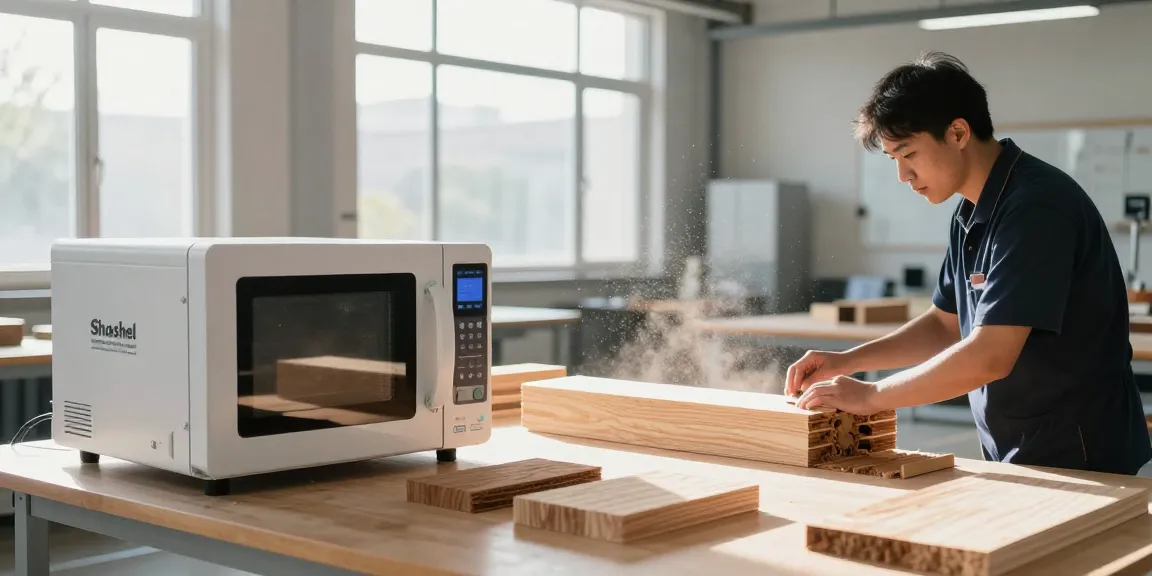
Shashel's innovative microwave technology represents a revolutionary approach to woodworm extermination. This method not only ensures immediate results but also maintains the integrity of the wood. Microwave technology heats the wood to a specific temperature that is lethal to woodworms while being safe for the wood itself.
How Does Shashel Work?
The Shashel equipment uses focused microwave energy to penetrate the wood and heat it uniformly. This process raises the temperature within the wood to a level that is lethal for woodworm larvae and adults, effectively eradicating the infestation without the use of harmful chemicals.
Benefits Over Traditional Methods?
- Speed: Shashel's technology works in minutes, offering a rapid solution compared to traditional methods that can take weeks.
- Safety: Since it doesn't involve harsh chemicals, it's safer for indoor use, reducing health risks associated with fumigation.
- Efficiency: Microwaves can penetrate wood unevenly, ensuring that all wood parts are treated effectively.
Impact on Wood Quality and Structure?
Unlike conventional treatments that can warp or damage wood, Shashel's microwave technology preserves the quality and structure of the wood. The process does not involve moisture or chemical residues that can compromise the longevity or aesthetics of the wood.
Step-by-Step Guide to Woodworm Elimination with Shashel
Utilizing Shashel's technology is straightforward, making it accessible for both professionals and DIY enthusiasts. Here is a guide to follow for effective woodworm elimination.
Preparing Your Workspace?
- Clear the area of any furniture or items.
- Ensure you have adequate ventilation in the workspace.
- Inspect the wood thoroughly to identify all affected areas.
Operating the Shashel Unit?
Once your workspace is prepared, operating the Shashel unit is intuitive. Follow the manufacturer's instructions for placement and timing, ensuring all infested wood is adequately targeted. The unit typically has settings based on wood type and thickness.
Post-Treatment Best Practices?
- Inspect: After treatment, re-check the wood for any signs of activity.
- Seal: Fill any exit holes and consider sealing the wood to prevent future infestations.
- Monitor: Continue to check the wood regularly for any signs of new infestations.
Addressing Common Concerns and Misconceptions
As with any technology, several misconceptions surround microwave wood treatment; addressing these can ease customer concerns and encourage informed decision-making.
Is Microwave Treatment Safe for All Wood Types?
Generally, Shashel's microwave treatment is safe for a wide variety of wood types. However, it's advisable to conduct a test on an inconspicuous area first, especially with sensitive woods like veneer or laminated surfaces.
Can Shashel Technology Replace Traditional Pest Control?
While Shashel's technology offers a compelling alternative, it does not fully replace traditional pest control methods in every scenario. For extremely severe infestations or treatments involving large structures, a combined approach may be necessary.
What to Do If Infestation Persists?
If woodworm signs reappear after treatment, it is crucial to revisit the infested area. In some cases, the treatment may not have fully addressed the infestation. Consulting with a pest control expert may be necessary for further evaluation and subsequent treatments.
Future Trends in Wood Treatment Technologies (2026 and Beyond)
The landscape of pest control is ever-evolving, and wood treatment technologies are no exception. As we look towards 2026 and beyond, several trends are becoming apparent.
Emerging Technologies in Pest Control?
Emerging technologies in pest control include advancements in artificial intelligence and machine learning to enhance detection and treatment capabilities. These technologies can analyze data more efficiently, leading to tailored pest control solutions.
Sustainability in Wood Treatment Practices?
With environmental concerns on the rise, future wood treatment practices will likely emphasize sustainability. Treatments that are eco-friendly and minimize environmental impact will gain more traction among consumers.
Predicted Advancements in Shashel Technology?
As microwave technology matures, we can anticipate enhancements in energy efficiency and effectiveness rates. Future Shashel units may integrate smart technology, allowing for real-time monitoring and adjustments during treatment.
What are the costs associated with using Shashel technology?
The cost of using Shashel technology varies based on the size of the setup and the complexity of the infestation. However, given its rapid efficacy, it often proves to be a cost-effective solution in the long run.
Can I use Shashel equipment at home?
Yes, Shashel's equipment is designed for ease of use, making it accessible for home users. With proper guidance and adherence to safety protocols, homeowners can efficiently manage woodworm infestations.
How long does a typical treatment take?
A typical woodworm treatment with Shashel technology can take as little as 15 to 30 minutes, depending on the size and type of the infested wood. This significant reduction in time is one of the primary advantages of using microwave technology over conventional methods.
Are there any health risks associated with microwave wood treatment?
Microwave wood treatment is generally considered safe and non-toxic. However, as with any heating process, safety measures should be followed to prevent burns or accidents, particularly concerning users' exposure to the equipment.
What other pest issues can Shashel technology address?
Beyond woodworms, Shashel's technology may also prove effective against other wood-destroying pests, including termites and other wood-boring insects. The versatility of the technology can expand its application across various pest control scenarios.