
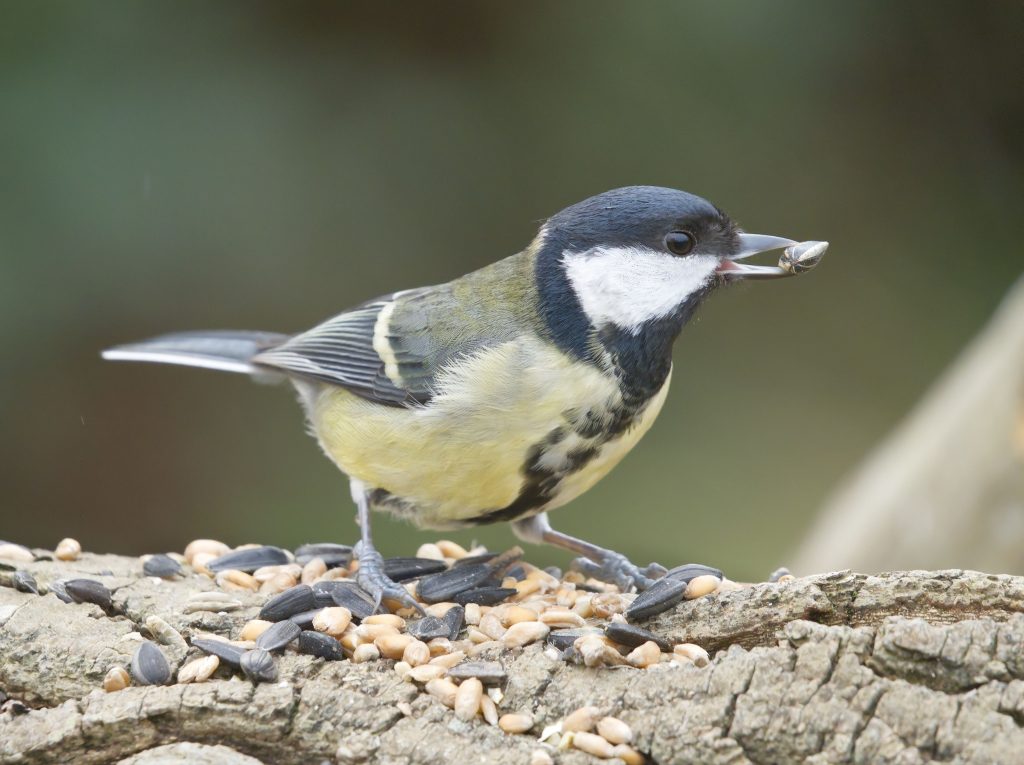

Birds are an important part of healthy ecosystems, contributing to pollination, seed dispersal, and natural pest control. However, when large numbers of birds gather in certain locations, they can create challenges for property owners, farmers, businesses, and public facilities. Bird droppings, crop damage, nesting activity, and property maintenance costs are common issues associated with nuisance bird populations.
As awareness of environmental sustainability continues to grow, many people are looking for bird control methods that are both effective and environmentally responsible. Solar-powered bird deterrents have emerged as a popular solution because they help reduce bird-related damage without harming wildlife while also reducing energy consumption. By combining renewable energy with humane bird management techniques, solar-powered deterrents offer a practical way to protect property while supporting broader conservation goals.
What Are Solar-Powered Bird Deterrents?
Solar-powered bird deterrents are bird control systems that operate using energy generated by sunlight. Depending on the product, these systems may use visual deterrents, electronic sounds, flashing lights, or movement-based technologies to discourage birds from settling in a particular area.
Unlike traditional electrical systems that require a constant power supply, solar-powered units use integrated solar panels to collect and store energy throughout the day. This allows them to operate efficiently in remote locations and reduces the need for external power sources. Because they rely on renewable energy, solar-powered bird deterrents are often considered a more sustainable option for long-term bird management.
Reducing Bird Damage Without Harming Birds
One of the greatest advantages of solar-powered bird deterrents is their ability to encourage birds to relocate rather than causing injury. Modern bird control focuses on changing bird behaviour instead of using harmful methods.
Many solar-powered systems work by creating conditions that birds find uncomfortable or unsafe. Visual deterrents may simulate predator activity, while electronic systems can emit sounds or signals that discourage birds from remaining in the area. The goal is not to eliminate birds but to persuade them to move to more suitable habitats where they can continue their natural activities without creating conflicts with people. This humane approach benefits both property owners and wildlife by reducing damage while allowing bird populations to remain part of the local ecosystem.
Supporting Sustainable Property Management
Sustainability has become an important consideration for businesses, farms, and homeowners. Solar-powered bird deterrents align with these goals by reducing reliance on conventional electricity and lowering environmental impact. Because the systems generate their own power, they can often be installed in remote agricultural fields, marinas, industrial facilities, and nature-sensitive areas where access to electricity may be limited. This flexibility makes them useful in a wide variety of bird management applications.
Using renewable energy also helps reduce the carbon footprint associated with long-term bird control operations. While a single deterrent may use relatively little electricity, choosing solar-powered alternatives reflects a broader commitment to environmentally responsible practices.
Protecting Crops and Infrastructure
Solar-powered bird deterrents are commonly used to protect agricultural fields, vineyards, orchards, solar farms, commercial properties, and waterfront facilities. Birds can cause significant economic losses by feeding on crops, damaging equipment, and creating maintenance issues around buildings. By encouraging birds to avoid these areas, deterrent systems help reduce losses while allowing birds to continue feeding and nesting in more appropriate locations. This balance is an important part of modern wildlife management, which seeks to minimise conflict between human activities and natural ecosystems.
Conservation Through Coexistence
Wildlife conservation is not only about protecting animals in nature reserves. It also involves finding ways for people and wildlife to coexist successfully. Humane bird deterrents support this objective by reducing conflicts without negatively affecting bird populations.
When birds are discouraged from nesting on buildings or feeding on crops, they are not removed from the environment. Instead, they are encouraged to relocate to areas that better support their natural behaviours. This approach helps preserve biodiversity while reducing the practical problems that birds can sometimes create.
Bird Busters offers a range of bird control solutions, including environmentally friendly deterrent options that help property owners manage bird activity while supporting sustainable and humane wildlife practices.
Conclusion
Solar-powered bird deterrents provide an effective and environmentally responsible way to reduce bird damage. By using renewable energy and humane deterrent methods, these systems help protect crops, buildings, and infrastructure without harming birds or disrupting local ecosystems.
As sustainability becomes increasingly important, solar-powered bird control solutions demonstrate that effective property protection and wildlife conservation can work together. By encouraging coexistence rather than conflict, these technologies help create a balance that benefits both people and nature.