
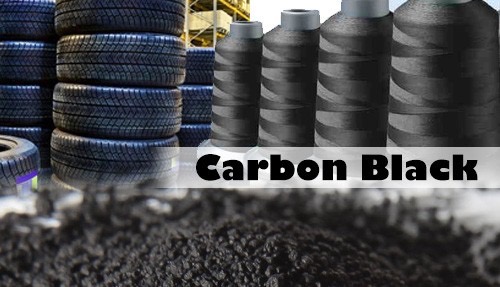

Manufacturing industries continuously seek materials that improve product performance, durability, safety, and functionality. Among the materials that contribute to these goals, carbon black plays a significant role across a wide range of applications. From transportation and plastics to coatings, inks, and industrial rubber products, carbon black helps manufacturers create products that meet demanding performance requirements.
The importance of carbon black extends across numerous sectors, making it a fundamental material in modern production processes. As the needs of the carbon black industries continue to evolve, manufacturers rely on the unique properties of carbon black to enhance product quality and support innovation across multiple applications.
Understanding Carbon Black and Its Industrial Importance
Carbon black is an engineered material consisting of carbon nanoparticles fused into unique three-dimensional aggregates. It is produced through the partial burning and pyrolysis of oil residues or natural gas under controlled conditions. Due to its structure and properties, carbon black delivers performance benefits that are difficult to achieve with many alternative materials.
Across various manufacturing environments, carbon black contributes to product strength, durability, color performance, conductivity, and protection against environmental factors. These characteristics make it valuable in numerous industrial applications and support the continued advancement of manufacturing technologies.
Carbon Black in Tyres and Transportation Applications
One of the most important applications of carbon black in tyresis reinforcement. Carbon black helps improve treadwear and rolling resistance while maintaining traction. It is used in racing tires, ultra-high-performance tires, passenger vehicle tires, truck treads, and non-tread tire compounds.
According to information provided on the website, tires without reinforcing carbon black would not operate effectively for extended distances. This demonstrates the material’s significance in enhancing tire durability and overall performance.
The role of carbon black based tyres highlights how the material contributes to transportation innovation by helping manufacturers develop products that balance performance, longevity, and reliability.
Advancing Mechanical Rubber Goods
Innovation within manufacturing extends beyond tires. Carbon black is also widely used in mechanical rubber goods where performance and cost-effectiveness are essential.
Applications include:
● Sealing systems
● Belts
● Hoses
● Gaskets
● Molded rubber parts
These products benefit from the reinforcing properties of carbon black, which help improve functionality and durability in demanding operating environments. The continued use of carbon black in these applications demonstrates its importance across the broader network of industries that utilize carbon black, which support industrial manufacturing.
Supporting Innovation in Plastics Manufacturing
The plastics sector represents another major area where carbon black contributes to innovation. Many plastic products require a combination of color performance, durability, UV protection, and conductivity.
Carbon black supports plastics manufacturing by providing:
Enhanced Color Performance
Carbon black helps achieve desired levels of jetness and tint in molded, extruded, and processed plastic components. Its pigment properties make it valuable for a wide range of industrial and consumer applications.
UV Protection
Carbon black absorbs UV radiation and converts it into heat, helping protect polymers from degradation caused by sunlight exposure. This contributes to improved weatherability and longer service life for plastic products.
Conductivity
Certain carbon black products are engineered to provide conductivity and electrostatic dissipation. These properties are valuable in applications requiring protection from electrical damage and static buildup.
These performance benefits demonstrate how the carbon black industry supports innovation in modern plastics manufacturing.
Improving Coatings and Inks
Manufacturers of coatings and inks depend on carbon black for both visual and functional performance. Carbon black provides exceptional black pigmentation while also contributing important properties that enhance product quality.
The material is used to improve:
● Color strength
● Jetness
● Viscosity characteristics
● Product appearance
Carbon black pigments are utilized in applications ranging from automotive coatings to household appliances and industrial products. These capabilities allow manufacturers to create products with consistent appearance and performance characteristics.
Enabling Electrical and Conductive Applications
As manufacturing becomes increasingly technology-driven, conductivity requirements continue to grow across industries. Carbon black contributes to innovation by providing electrical conductivity in materials that would otherwise be insulating.
Applications include:
● Electronic packaging
● Mining equipment
● Wire and cable systems
● Power cable shielding
● Electrostatic dissipation systems
Carbon black helps transform insulating rubber and plastic materials into antistatic, electrodissipative, or conductive products that improve safety and reliability. These capabilities support ongoing advancements across industries that use carbon black.
Applications in Specialty Manufacturing
The versatility of carbon black extends into specialty applications where unique performance requirements exist.
According to the website, carbon black is used in:
● Adhesives
● Sealants
● Batteries
● Ceramics
● Glass applications
In these sectors, carbon black may enhance appearance, conductivity, and protection from environmental stresses. Such applications demonstrate the broad impact of carbon black across manufacturing sectors and its ability to support diverse industrial requirements.
Supporting Product Longevity and Durability
A key driver of manufacturing innovation is the ability to create products that last longer and perform consistently over time.
Carbon black contributes to durability by:
● Reinforcing rubber products
● Providing UV resistance
● Protecting polymers from degradation
● Supporting weatherability in plastics
● Maintaining performance in demanding environments
These characteristics help manufacturers develop products that meet long-term performance expectations across multiple industries.
Innovation Through Sustainable Development
The website also highlights ongoing efforts within the industry that utilize carbon black to explore sustainable feedstock sources. While carbon black is commonly produced using hydrocarbon oils or natural gas, feedstocks derived from recycled tires and biomass are gaining increasing attention.
In addition, sustainable carbonaceous materials have been introduced to support circularity initiatives and enhance sustainability across manufacturing applications. These developments reflect how innovation continues to shape the future of the industry.
Conclusion
Carbon black continues to play an important role across modern manufacturing sectors by enhancing product performance, durability, conductivity, pigmentation, and UV protection. Its applications extend across tires, plastics, coatings, inks, mechanical rubber goods, cables, and specialty materials. As manufacturing demands evolve, carbon black remains a valuable material supporting innovation, functionality, and long-term product performance across diverse carbon black industries and industrial applications.
With a strong focus on innovation, quality, sustainability, and reliability, Birla Carbon is a global manufacturer and supplier of carbon black additives, serving markets including tires, specialty blacks, plastics, coatings, inks, mechanical rubber goods, wire, and cable applications. The company offers ASTM and specialty carbon black solutions, technical expertise, customer support, innovation-focused products, sustainability initiatives, and sustainable carbonaceous materials designed to support performance, circularity, and evolving industry requirements across manufacturing sectors worldwide.