
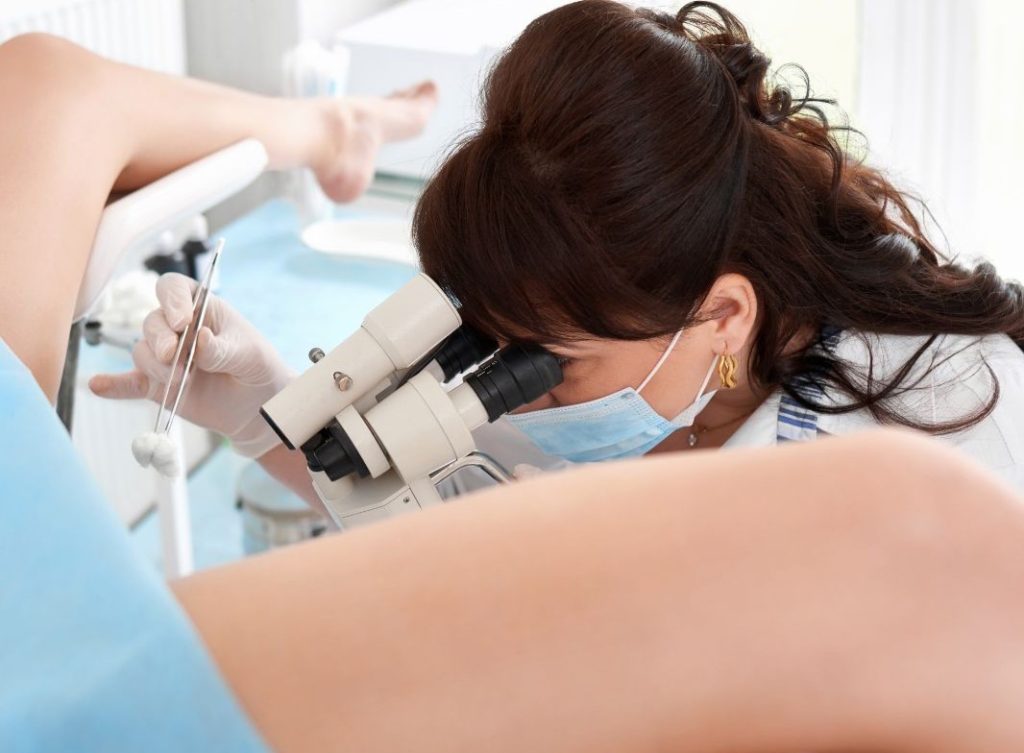

Modern healthcare is evolving toward a more connected and continuous model where women’s health and pediatric care are not treated separately but as part of a unified system. Families often begin their healthcare journey by consulting a doctor at Tirupati gynecologist hospital to ensure proper maternal care and structured medical guidance during pregnancy and beyond.
This integrated approach ensures that medical decisions are based on long-term health patterns rather than isolated conditions. It helps doctors understand both maternal and child health history together, improving accuracy, safety, and continuity of care. It also allows healthcare providers to anticipate potential risks early and manage them more effectively through coordinated planning. Over time, this continuity builds stronger trust between families and medical teams, making care more reliable and personalized.
Continuous Women’s Health Monitoring
Women require healthcare support at every stage of life, including adolescence, reproductive years, pregnancy, and postnatal recovery. Continuous monitoring helps detect hormonal imbalances, reproductive health concerns, and pregnancy-related risks early.
When care is consistent, doctors can track changes over time and provide more personalized treatment. This reduces complications and ensures better long-term reproductive health outcomes.
Regular follow-ups also help women stay informed about their health, enabling them to make confident decisions about their well-being.
Specialized Gynecology Expertise
Specialized gynecology care plays a central role in managing women’s health conditions with precision. A top gynecologist in Tirupati provides expert guidance for reproductive health, pregnancy care, and preventive screenings.
Gynecologists help identify conditions such as hormonal irregularities, fertility challenges, and pregnancy risks at early stages. This early intervention improves treatment success and reduces long-term complications.
Specialized care also ensures emotional reassurance, which is essential during sensitive phases of women’s health.
Early Pregnancy Care and Monitoring
Pregnancy requires structured medical supervision to ensure the safety of both mother and baby. Regular checkups, scans, and nutritional guidance help track fetal development and maternal health.
Early monitoring allows doctors to identify potential risks such as gestational complications or developmental concerns. This ensures timely intervention and reduces pregnancy-related complications.
A well-managed pregnancy journey improves confidence and reduces stress for expecting families.
Pediatric Health and Early Development Focus
Children require continuous medical attention during their early years as this is the most critical phase of growth and development. A pediatric doctor in Pune plays an essential role in monitoring physical growth, immunity, and developmental milestones.
Pediatric care includes vaccination tracking, nutritional guidance, and early diagnosis of health concerns. Regular monitoring ensures that children develop strong immunity and healthy growth patterns.
Early pediatric attention also helps detect developmental delays at the right time, improving long-term outcomes.
Preventive Care for Long Term Wellness
Preventive healthcare is one of the most effective ways to ensure long-term wellness for both women and children. It focuses on identifying risks early and preventing complications before they become serious.
Routine screenings, health assessments, and regular consultations help maintain overall health stability. This reduces the need for emergency treatments and supports consistent health management.
Preventive care builds a strong foundation for healthier families across generations.
Emotional Stability in Healthcare Experience
Healthcare is not only about physical treatment but also emotional well-being. Patients often experience anxiety during pregnancy or childhood illnesses, making emotional support an important part of care.
Clear communication from healthcare providers helps reduce fear and confusion. When families understand medical conditions clearly, they feel more involved and confident in decision-making.
Emotional stability improves treatment adherence and supports faster recovery.
Importance of Accurate Diagnosis and Testing
Accurate diagnosis is essential for effective treatment planning. Advanced diagnostic tools help doctors identify conditions with precision and reduce the risk of incorrect treatment.
Proper testing ensures that medical decisions are based on reliable data. This is especially important in reproductive and pediatric care, where early-stage conditions can be subtle.
Accurate diagnosis leads to better outcomes and more efficient healthcare management. In many cases, timely consultation with a top gynecologist in Tirupati plays a key role in ensuring that early signs are not overlooked and are addressed appropriately. It also strengthens preventive care by allowing doctors to plan treatment strategies that reduce future health risks.
Coordination Between Women and Child Care
Integrated healthcare systems ensure smooth coordination between gynecology and pediatric services. This allows doctors to understand maternal history and its impact on child health.
When specialists collaborate, they can design better treatment plans and avoid unnecessary duplication of tests. This improves efficiency and ensures continuity of care from pregnancy to childhood.
Families benefit from a simplified healthcare experience with better communication between departments.
Nutrition in Health Development
Nutrition plays a vital role in both maternal and child health. A balanced diet supports immunity, growth, and recovery during different life stages.
For women, nutrition is especially important during pregnancy and hormonal transitions. For children, it directly affects brain development and physical growth.
Proper dietary guidance from healthcare providers helps families maintain long-term wellness. Regular support from a pediatric doctor in Pune ensures that children receive age-appropriate nutritional advice tailored to their developmental needs. It also helps parents build healthier daily habits that contribute to stronger immunity and overall well-being over time.
Technology in Modern Healthcare Systems
Modern healthcare relies heavily on technology to improve diagnosis, treatment, and communication. Digital records, imaging systems, and monitoring tools help doctors make faster and more accurate decisions.
Technology also improves coordination between specialists by enabling real-time data sharing. This reduces delays and enhances patient safety.
However, technology is most effective when combined with clinical expertise and compassionate care.
Conclusion
A complete approach to women and child healthcare focuses on integration, prevention, emotional support, and long-term monitoring. This ensures that every stage of life receives appropriate medical attention.
From pregnancy care to childhood development, continuous healthcare support improves overall family wellness. It creates a structured system where health is managed proactively rather than reactively.
For families seeking comprehensive and coordinated healthcare support that focuses on long-term wellness and integrated care, Ankura Hospitals represents a thoughtful approach designed to support women and children through every stage of their health journey. This becomes even more effective when guided by a gynecology specialist who ensures consistent oversight across different stages of women’s health.