
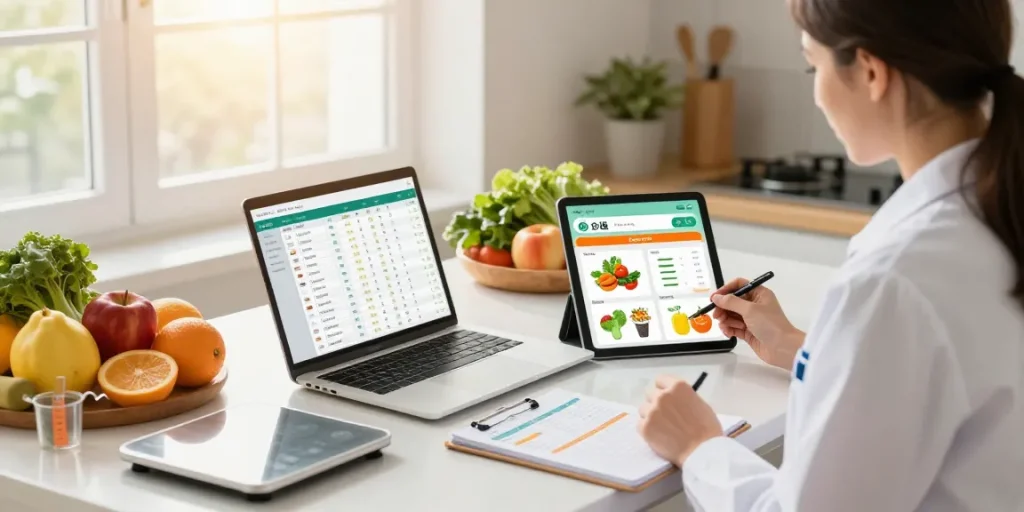

Understanding Food Tracking Apps: The Basics
In a world increasingly focused on health and wellness, food tracking apps have emerged as vital tools for individuals seeking to monitor their dietary habits. These applications enable users to log their meals, track nutrient intake, and set dietary goals, making them invaluable for health enthusiasts, those pursuing weight loss, and individuals with specific nutritional requirements. The rise of such apps is not merely a trend; it reflects a growing consciousness surrounding food choices and lifestyle impacts. When exploring options, best food tracking app reviews can facilitate making informed decisions tailored to your dietary needs.
What is a Food Tracking App?
A food tracking app is a digital tool designed to help users log their daily food intake and monitor nutrient consumption. Typically available on smartphones, these applications allow users to input meals manually or scan barcodes for quick entries. Many apps also come with features that offer nutritional insights, track calories, and suggest meal plans. The primary intention of these apps is to promote healthier eating habits and assist in managing personal health goals.
Benefits of Using Food Tracking Apps
- Awareness: Food tracking apps create a heightened awareness of what you eat, helping users identify unhealthy patterns.
- Accountability: Continuous logging of meals can enhance accountability, encouraging healthier choices.
- Personalization: Many apps can be tailored to individual dietary goals, preferences, and restrictions, allowing for customized tracking experiences.
- Educational: By analyzing food intake, users can learn more about nutrition, portion sizes, and balanced diets.
Key Features to Look for in the Best Food Tracking App
When evaluating food tracking apps, consider the following essential features:
- User-friendly Interface: An intuitive design helps users log meals effortlessly and keeps them engaged.
- Comprehensive Food Database: A robust database ensures users can find every item they consume, increasing accuracy.
- Customizable Goals: The capability to set personalized goals is crucial for tailoring the app to your specific needs.
- Feedback and Insights: Apps that provide feedback on eating habits can motivate users to make better choices.
- Integration Capabilities: The ability to sync with fitness trackers or other health apps can provide a holistic view of health.
Evaluating Top Food Tracking Apps in 2026
In 2026, the landscape of food tracking apps has seen substantial evolution, with several contenders vying for the top positions. A thorough evaluation of these applications requires examining their features, functionality, and user experiences. Our comprehensive analysis of the best food tracking apps highlights what sets them apart in a crowded market.
Comparative Analysis of Leading Apps
The food tracking app market features several leading contenders. Here is a comparative overview of some of the top apps:
- Welling: Not only is it user-friendly, but it also offers personalized coaching based on logged meals.
- Cronometer: Known for its in-depth micronutrient tracking, making it ideal for those focused on nutritional quality.
- MacroFactor: This app recalibrates your caloric needs based on real data, providing a unique adaptive approach.
- YAZIO: Offers meal planning features and a visually appealing interface that enhances user engagement.
- Lifesum: This app combines food logging with wellness programs promoting healthy living.
- Carb Manager: A specialized app for low-carb and ketogenic lifestyles, featuring extensive recipes and meal suggestions.
User Experience and Interface Assessment
User experience is critical when selecting a food tracking app. Apps that offer a seamless interface, quick navigation, and engaging visuals tend to retain users longer. Welling, for example, excels in usability by incorporating interactive elements such as charts and graphs that illustrate progress. Cronometer, while focused on data, also provides a straightforward logging experience that makes tracking easier, even for users unfamiliar with nutritional terms.
Cost vs. Value: Is a Premium App Worth It?
Many food tracking apps offer free versions with basic features, while premium versions unlock advanced functionalities. Evaluating whether to invest in a premium app depends on individual needs. For serious dieters or those with specific health goals, the additional features such as detailed analysis, personalized coaching, and advanced meal planning tools can provide substantial value. Users should consider their long-term goals when determining if the cost is justified.
Choosing the Right Food Tracking App for Your Needs
Selecting the right food tracking app is a personal journey and should align with individual health goals and preferences. With various options available, understanding your specific requirements is vital for making an informed choice.
Identifying Your Food Tracking Goals
Before diving into the app selection process, identify your specific goals. Are you looking to lose weight, gain muscle, or simply eat healthier? Knowing your objectives will guide you in choosing a tool that aligns perfectly with your aspirations. For example, if weight loss is your primary concern, an app like MacroFactor that adapts calorie targets might be beneficial, whereas Cronometer may appeal to those more interested in micronutrient tracking.
How to Use Our 7-Question Guide Effectively
To streamline your decision-making process, we’ve created a seven-question guide to help you pinpoint the best food tracking app for your situation. By answering questions regarding your food tracking habits, dietary preferences, and specific goals, you can better select an app that meets your needs. This practical approach ensures you consider essential features such as usability, integration capabilities, and customer support.
Common Mistakes to Avoid When Selecting an App
While searching for the ideal food tracking app, avoid common pitfalls such as:
- Overlooking User Reviews: Failing to read user feedback can lead to selecting an app that doesn’t meet expectations.
- Ignoring Integration Features: Not checking if the app integrates with existing fitness trackers or health platforms may limit functionality.
- Choosing Based Solely on Price: Opting for the cheapest option without considering features can result in a subpar experience.
Future Trends in Food Tracking Technology
The future of food tracking technology appears promising, with innovations on the horizon aimed at enhancing user experience and data accuracy. Here are some expected trends that may influence the food tracking landscape in the coming years.
The Role of AI and Machine Learning in Food Tracking
Artificial intelligence and machine learning technologies are set to revolutionize food tracking apps. By analyzing user data, these technologies can provide personalized meal recommendations and more accurate calorie estimations. AI-driven apps can learn from user behaviors and adapt suggestions accordingly, making food tracking even more intuitive and tailored.
Predictions for Food Database Quality Improvement
As user reliance on food tracking apps grows, so does the demand for accurate food databases. The future will likely see a shift from merely expanding database size to improving database quality. This means an emphasis on verified entries, which can enhance trust and usability, ultimately helping users achieve their dietary goals more effectively.
Emerging Trends in User Engagement Features
Future food tracking apps are expected to incorporate more interactive features, promoting user engagement through gamification techniques and social sharing capabilities. This could enhance motivation and create communities around food tracking, encouraging healthy habits through shared experiences.
Addressing Common Concerns and Misconceptions
As food tracking apps gain popularity, several misconceptions about their effectiveness and reliability have emerged. Addressing these concerns is critical for a holistic understanding of these tools.
Can Food Tracking Apps Help with Weight Loss?
Numerous studies suggest that food tracking apps can significantly aid in weight loss when used consistently. However, adherence to the app and the user’s specific goals play a crucial role. By providing a structured approach to meal logging and accountability, these tools can foster positive habits leading to sustainable weight loss.
Are AI Calorie Trackers Reliable?
The reliability of AI calorie trackers varies based on the technology and algorithms used in the app. While many AI-driven food tracking apps provide impressive accuracy, it is essential to understand their limitations. Users should approach AI calorie estimates with caution and consider cross-referencing their intake with verified food data to ensure accuracy.
Do Food Database Sizes Affect App Performance?
While it might seem that a larger food database equals better performance, the truth is more nuanced. The quality of entries is more crucial than sheer quantity. A smaller database with verified and accurate entries can outperform a massive database filled with junk data, making it essential for users to choose an app that prioritizes quality.